





Ed Morse Chrysler Dodge Jeep Ram Saint Robert

Blog / Automotive Industry

Why Is There a Chip Shortage?

Why Is There a Chip Shortage

Did you know that most semiconductor chips are made in China and Taiwan? Many of the manufacturers in these two countries were forced to shut down during COVID. 

The recent pandemic brought many issues in our economy to light. However, one of the biggest areas was the chip shortage for cars and other electronics.

In this article, we will discuss some of the reasons as to why that is, as well as a look into the future. Keep reading this chip shortage update!

What Caused the Chip Shortage 2021?

A confluence of factors has caused the chip shortage of 2021. However, the main reason was the COVID-19 pandemic.

The pandemic brought to light some major issues within the chain supply. The pandemic led to an increase in demand for electronic devices as people work and learn from home. As a result, it has put pressure on the supply chain for chips, as manufacturers have struggled to keep up with demand.

Additionally, the pandemic forced many factories to shut down, halting production while the demand increased. 

Why Is There a Chip Shortage 2022?

When semiconductor chips are a vital component in modern electronics, the ongoing chip shortage is having major impacts on a variety of industries, most of all the production of new vehicles. 

The situation was further complicated by the fact that chips are manufactured using a complex supply chain that involves many different countries. The rise of global tensions regarding the ongoing war in Ukraine is increasing the cost of materials.

As a result of these factors, chip prices have quadrupled since 2019, and there is currently a global shortfall of more than 200 million chips. While some companies are rationing production, others are working to expand their manufacturing capacity to meet the rising demand.

In the meantime, the chip shortage will continue to cause problems for industries such as automotive, consumer electronics, and gaming in the months ahead.

Will the Chip Shortage End?

The worldwide semiconductor shortage has led to increased prices and production delays for a wide range of products, from cars to gaming consoles. 

As a result, President Biden signed the CHIPS and Science Act to encourage local suppliers to increase production. The Act provides companies with billions of dollars in incentives and increased research and education efforts.

Chip Shortage Update

As of now, there is still a chip shortage. This means that the prices of vehicles are still on the rise. However, there is an end in sight as there are more efforts to change the core of the supply chain by relying on local manufacturers instead of global car manufacturers.

However, as you can see in this chip shortage update, we will likely see a shortage for a while, which in turn affects the entire supply chain.

If you are looking to purchase a vehicle, check out our inventory! We have a wide range of new and used vehicles that may be the perfect addition to your life!
Posted in:

Related Posts

If you plan on purchasing a new car and are considering an electric vehicle, this guide can help. Here are electric vehicle FAQs to help with your purchase.

Electric Vehicle FAQs: Everything to Know Before Purchasing

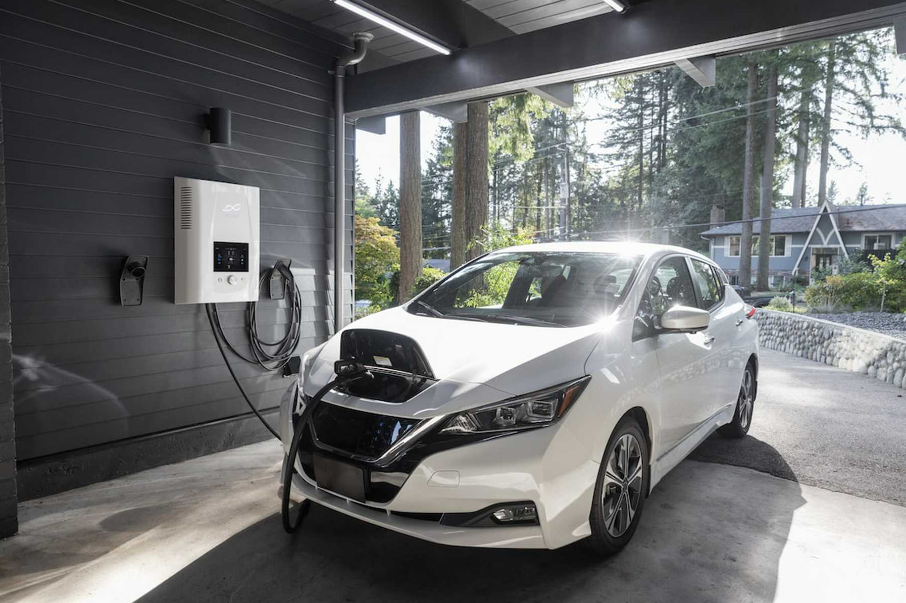
Purchasing a new car is a big decision, especially considering the fact that vehicle prices rose by 6.3% in 2021. You should buy a vehicle that’s efficient, requires little maintenance, and offers good value for your money. Electric cars are the perfect option in this case. But if you’re new to these cars, there’s a lot to unpack before making your purchase. Keep reading for electric vehicle FAQs. You’ll learn about the benefits of electric vehicles and how to choose one that’s right for you. more Why Buy Electric? Electric vehicles (EVs) don’t require gasoline, so they have zero tailpipe emissions. They also use significantly less energy than their combustion engine counterparts. Plus, you can charge your electric car at home or work, so you never have to worry about finding a gas station when you’re on the road! How Long Does It Take for an EV to Charge? How long it takes to charge a car depends on your vehicle and the charger. For example, fast chargers can deliver up to 350 kilowatts of power. However, most charging is done at home, where you’ll likely use a Level 2 charger that delivers about 20 kilowatts. Most EVs will take anywhere from 4 to 8 hours to fully charge on a Level 2 station. You can charge some models in as little as 40 minutes using DC fast charging stations. Fast chargers are convenient and quick to use, but they’re not as common as other charging methods. The general rule is that people charge their vehicles at night when they’re asleep or if they have time during work hours. Which Automakers Make EVs? Tesla, Chrysler, Nissan, Jeep, and Ford make the most popular EVs. Other notable luxury car brands include BMW and Toyota. Honda has also been producing new models in recent years. What Is the Driving Range of a New EV? A new EV’s driving range can vary significantly depending on how you drive and what conditions you’re in. For instance, if you’re driving a 2023 Jeep Wrangler at highway speeds for an hour, that could drain the battery pretty quickly. If you’re driving in stop-and-go traffic, however, the battery will last much longer. That’s because EVs don’t use energy while they’re sitting still. That said, the average range is 100–150 km (63 - 94 mi.) per full charge. Are EVs More Expensive Than Gas-Powered Vehicles? It depends on the EV you are buying. When you’re comparing car prices, remember that some EVs have a smaller battery pack. This will make their price more affordable, but you’ll have to recharge more often. Other EVs have larger battery packs and can go farther on a single charge. If your car has a large battery pack, it will probably be more expensive than a gas-powered car at a local car dealership. In the long run, electric vehicles are the more cost-effective option because you won’t have to purchase gas as often. Purchasing a New Car: Buy From a Trusted Dealership We hope you consider this electric car buying guide when you’re purchasing a new car. EVs are the best option for those who want to reduce their carbon footprint and save money. When you’re ready to make your purchase, we’re the ones to trust. At Ed Morse Chrysler Dodge Jeep RAM, we’ve got over 75 years of experience selling cars as well as an impressive collection of electric vehicles. Explore our inventory of new models to find the perfect car for you.

All About the 2023 Jeep Wrangler 4xe

All About the 2023 Jeep Wrangler 4xe

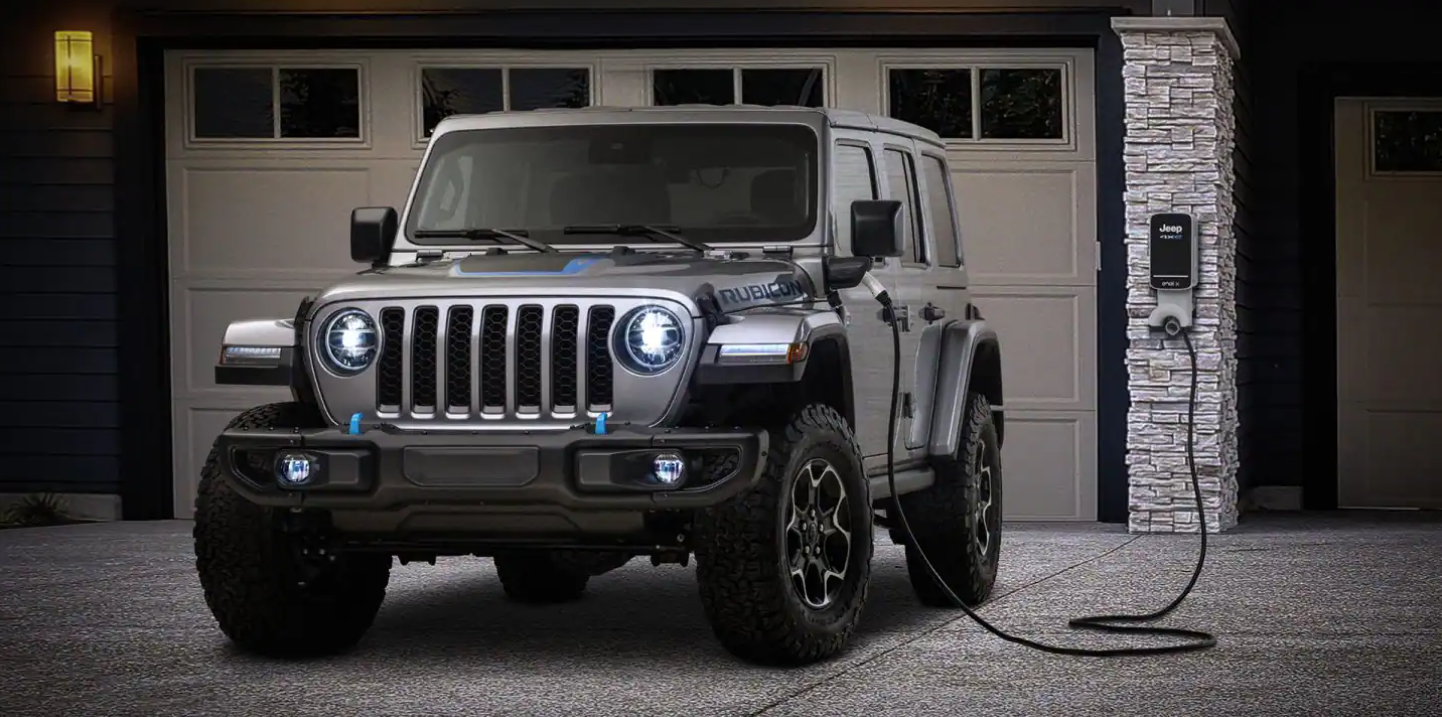
By 2025, car industry news reports that electric vehicles will make up about 10% of the total number of vehicles sold in the world. It's due to well-known auto brands releasing electric versions of their popular vehicles that this is possible. The 2023 Jeep Wrangler 4xe is a great example of this new ethos in the car world. In this post, we're going to tell you all about this plug-in hybrid electric vehicle so you can make an informed decision when buying a car. Keep reading and you won't be able to resist buying a new Jeep in 2023. more 2023 Jeep Wrangler 4xe Engine The Jeep Wrangler 4xe powertrain has two electric motors and a 400-volt battery pack, tucked under the rear seats. It uses a 2-liter 4-cylinder engine with 8-speed automatic transmission in order to maximize the efficiency of the hybrid propulsion system. From the cockpit, you'll be able to tailor the powertrain to suit your trip. The E-Selec buttons on the panel let you choose between Hybrid, Electric, and eSave modes. Hybrid is the standard mode that blends torque from the electric motors and the engine. Electric lets you drive on zero-emission electric power until the battery reaches a minimum charge and the engine kicks back in. eSave conserves the electric battery charge for later use. New Jeep, Same Trims As with the 2022 model, the 2023 Jeep Wrangler 4xe comes in 3 trim levels: Sahara, Rubicon, and High Altitude. In terms of cost, the Sahara comes in at just over $55,000, while the Rubicon is nearly $59,000 and the High Altitude is around $61,000. Visit our site to learn more about getting pre-approved for financing your Jeep. The differences between the trims are mostly in the exterior of the car. Rubicon models, for instance, come with 33-inch tires and a full-time 4x4 system. The High Altitude has premium amenities and added driver assistance features. Technology and Safety All of the 2023 Jeep Wrangler 4xe models come with an 8.4-inch UConnect touchscreen infotainment system. Here, you'll be able to navigate, communicate, and access entertainment features like Apple CarPlay or Android Auto. In terms of security, these Wranglers each come with over 75 unique safety features to keep you safe and secure while driving. Things like blind spot monitoring, rear cross path detection, adaptive cruise control, forward collision warning, a rear backup camera, stability control, and 4 airbags come standard. Of course, Wrangler enthusiasts will be happy to know that its open-air capability is retained with the 4xe. There are numerous options for open-air experiences, namely the Sunrider Soft Top, the 3-Piece Hard Top, and the Sky One-Touch Power Top. Get Your 2023 Jeep Wrangler 4xe from Ed Morse Chrysler-Dodge-Jeep-RAM Now that you know a bit more about the 2023 Jeep Wrangler 4xe, it's time to test drive one. If you're in the Saint Robert area, come on down to Ed Morse to see one of these amazing hybrid Jeeps in person. As one of the top Chrysler, Dodge, Jeep, and RAM dealerships in Missouri, we've got over 75 years of automotive excellence under our belts. Don't hesitate to contact us ASAP with any questions about the Wrangler 4xe, trading in for a used car update, or any of the other vehicles in our inventory.

Preparing for the Future of the Automotive Retail Industry

Preparing for the Future of the Automotive Retail Industry

Most retail companies have adopted e-commerce, and the auto industry should be no exception. Car dealerships have a chance to restructure their business processes and incorporate supporting technologies to enhance the customer experience for car buyers. Many leading dealerships, in fact, are taking major steps toward improving their customers’ retail experience. more Adapting to Shifting Customer Expectations in the Auto Industry People want a simple and convenient car-buying experience. Sure, some consumers want an exclusively online purchasing process. However, most people still prefer to buy a car from a dealership that provides a personalized experience and human touch. Therefore, car dealerships must develop new ways of taking advantage of digital technology while providing impactful customer service. Thankfully, even as technology disrupts the traditional business models of car dealerships, there still exist several opportunities for ushering the auto industry into a digital future. For example, digital tools can eliminate much of the grunt work dealerships have to handle while engaging car buyers. Consequently, dealers have more room to provide car buyers with concierge-like personalized services and expert guidance throughout the car-buying process. Everyone benefits from this new model. Researching and Understanding Shifting Car-Buying Demographics Another important consideration for car dealerships going forward is the changing demographics of car buyers. According to this source, over 45% of the potential car buyers in 2025 will be comprised of millennials, i.e., people born between 1981 and 1996. As a result, millennials will form the majority of the car-buying demographic, so the auto industry must understand and accommodate their preferences. Likewise, gen-Xers are not as excited about visiting car dealerships as the previous generations. By researching these evolving demographics, car dealerships can gain the insights they need to bridge the gap between customers’ expectations and their actual experiences. Recommendations for Improving the Buying Experience for Car-Buyers Car dealerships can make the car-buying process more pleasant and exciting by: Offering A Flexible Yet Seamless Purchasing Experience. Car dealerships can use automated platforms to complement the in-person buying experience. They can give customers information to guide them through the process of buying a car, showing them when it’s a good time to buy. Improving Transparency. Car dealerships can also provide information that makes the car-buying process more transparent. They can make it easier for customers to schedule a test drive, compare financing options and get real-time used car updates. Improving Efficiency. Complete paperwork related to financing and waiting for financing approval can make the purchasing process tedious. Car dealerships can improve the customer experience by streamlining these processes. Ultimately, the dealerships that prioritize efficiency in their back-end and customer-facing operations will shape the future of automotive retail. The industry’s digitization is long overdue. It promises to streamline customers’ experiences online and in-store while empowering car dealerships to transform their business models. Quality New, Used and Certified Pre-owned Vehicles Visit the dealership to get new or used GMC, Chevy and Buick cars, SUVs and trucks that fit your budget, lifestyle and preferences. If you need, schedule an appointment with us today and get help buying or servicing your car.